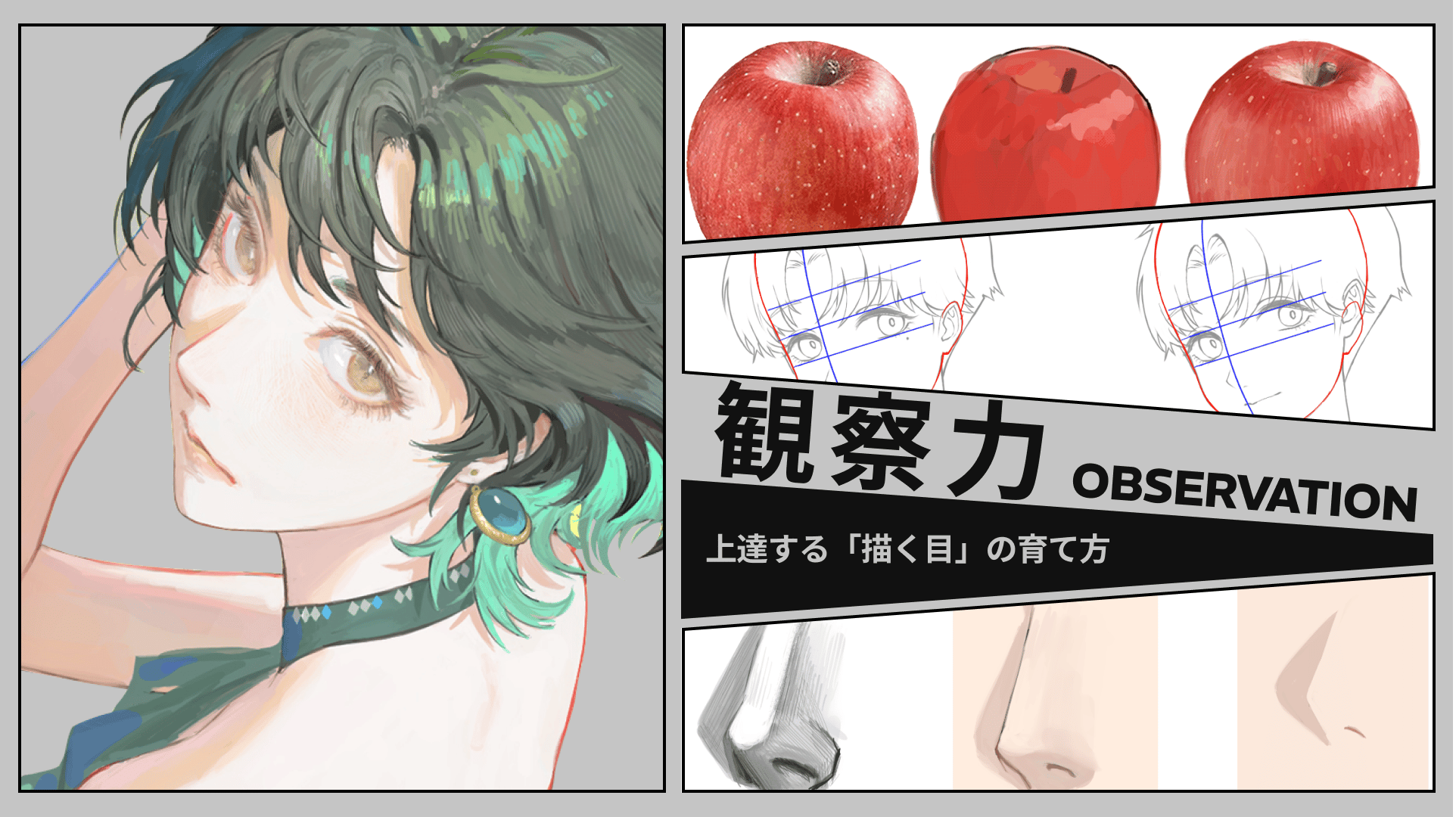
Break Free from Slow Drawing! A Course to Boost Your Painting Efficiency
Shiren
Archives
Seminar
Thick coating
Improvement Of Skill
Mindset
Slow painting isn't caused by a lack of skill — it's caused by not planning before you start. By making your decisions up front with a color rough and learning a hesitation-free painting process, you'll be able to finish high-quality illustrations without spending endless hours.
DateTime:
2026/08/22 19:00 JST
Duration:
1:30:00
Venue:
Discord
Caption:
,
Order deadline:
Unlimited
Viewing deadline:
Archive available
Notice:
Please note: this course is a recording of a seminar conducted in Japanese. English subtitles have been added.
Currency:
USD
If your illustrations take forever, the cause isn't a lack of skill — it's a lack of decisions made before you start. By locking in the finished image with a color rough first and painting through a clear, hesitation-free process, you'll learn to finish illustrations whose quality matches the time you put in.
Is Your Art Improving as Much as the Hours You Put In?
"I start drawing but never finish." "One illustration takes me over 100 hours, and I give up halfway." — Does this sound familiar?
In fact, many people who spend 100 hours on a piece aren't spending most of that time actually drawing. They're spending it hesitating over color, light, and composition while they paint — and then redoing their work.
No matter how much technique you learn, you won't get faster until you reduce that hesitation during the process. In this 90-minute seminar recording, you'll learn the professional workflow for "finishing your decisions before you paint" and a color rough method that eliminates second-guessing.

4 Signs You're Stuck on Never-Finished Illustrations
✔︎ With painterly rendering, you detail one part at a time and the piece as a whole never moves forward
✔︎ You think you're "drawing," but you're actually frozen in front of the canvas
✔︎ You start without deciding on the finished image, then change the composition or design partway through
✔︎ You try methods and brushes you found on social media, but somehow can't reproduce the results
Why Can't You Finish, Even Though You're Working Hard?
Small, repeated decisions are eating your time
What color should this be? What about this shape? What about the shadows? Making small decisions like these over and over while you paint is the biggest reason pieces run over time.

No matter how many hours you spend, fine detail doesn't come across on social media
Even if you zoom the canvas to 200% or more and render pixel by pixel, almost none of it reaches people viewing your work on a social media timeline or a small screen. Are you pouring huge amounts of time into "wasted detail" that never turns into visible quality?

"Finishing one part at a time" makes you give up halfway. Decide where the whole piece is going first
Taking hair, then skin, then eyes to 100% quality one part at a time may feel rewarding, but it causes the overall balance to break down and the lighting to become inconsistent. The result is large-scale fixes later on, which can double your production time.

Now Is the Time to Rethink Your Process
Objectively recognize — and fix — the habits that are draining your time
Using a checklist, you'll pinpoint behavior patterns that unconsciously waste your time, such as brush size, canvas zoom level, and changing the composition midway. Your own issues will come into focus, and you'll know which habits to drop starting today.

Use a color rough to decide your focal points in advance
Decide ahead of time where to concentrate your detail — typically the face — and let areas like clothing and background stay looser, with bigger brushes. Knowing where detail matters, and that work viewed at phone size doesn't need 200%-zoom rendering, frees you from endless polishing.

Build the habit of stepping back, so the overall balance holds together
Instead of painting while zoomed in the whole time, you'll get into the habit of regularly checking the full image. That means fewer moments where you sleep on it, notice something is off, and have to redo it.

Put It Into Practice Right Away — Paint Faster Without Sacrificing Quality
The root cause of slow painting
Understand the underlying structure: slowness comes not from a lack of skill but from the sheer number of choices. You'll learn a mindset that prevents a fragmented process, such as searching for references while drawing or agonizing over colors while painting.

Why spending more time doesn't make you better
We sort out the difference between time that directly creates quality (observing, planning, drawing) and wasted time (hesitating, fixing, redoing). You'll see why the same 10 hours can produce very different results.

What fast artists decide first
Fast artists don't have faster hands — they simply decide more before they start drawing. We break down the professional thought process of fixing not just the pose, but also the light source, colors, focal points, and finishing standard at the rough stage.

How to make a blueprint so you never get lost
Learn a concrete planning process: decide what the picture is meant to show and where to spend your time, gather references thoroughly (often 100+ images), and settle the overall color and lighting at the color-rough stage. This builds a foundation that shuts out hesitation during production.

Practical techniques to streamline your work
Learn fast-acting techniques and working rules you can adopt starting today, such as "don't paint at more than 200% zoom," "don't make major changes after the rough," and "use a bigger brush than you think you need."

A small action you can take tomorrow
So that what you learn doesn't stay as mere knowledge, the course ends with concrete rules you can apply to your very next piece — such as finishing your rough within a single day, before the image in your head fades, and not moving it once it works.

About the Instructor
Shiren — Freelance Illustrator Vocational School Instructor
A working professional who creates art for card games and book covers, while also teaching many students at a vocational school — a pro at both drawing and teaching. Shiren is known for putting into words "why it looks that way" and "how you can reproduce it." This approach — moving beyond "drawing by feel" and reliably leveling up your art through theory — is strongly supported by students who had hit the limits of self-study.
・Seminar satisfaction rate of 93% or higher ・Shiren's monthly course has an extremely low cancellation rate, with many long-term members.
[What students say] "Shiren puts into words things I only knew intuitively, so I can understand the logic behind them." "Seeing how the brush is moved and even the layer structure taught me things I couldn't learn from technique books." "I used to paint by feel alone, but now I can draw with theory behind it."

Curriculum
Introduction & overview (redefining the problem, the goal of the course, and the big picture)
Chapter 1: Why does painting take so long? Chapter 2: Why spending more time doesn't make you better Chapter 3: What fast artists decide first
Chapter 4A: Making a blueprint so you never get lost during production Chapter 4B: Streamlining your work to paint faster Chapter 5: Summary
Q&A
A Message from the Instructor
You put the time in, but the result isn't what you hoped for. That struggle often comes not from a lack of talent or effort, but from hesitation and the sheer number of decisions you make while painting.
In this course, I'll help you find what's slowing you down, and share how to plan before you paint along with efficiency methods you can try right away. Painting fast doesn't mean painting carelessly. Let's learn together how to turn limited time into quality.
Your Next Piece Can Change — Just by Reducing the Number of Decisions, Before Improving Your Skills
No more spending hours rendering blindly. What you need isn't more practice, more grit, or more drawing skill — it's a system that lets you keep moving without hesitation. Why not experience a production process that gives you both the satisfaction of finishing a piece and a boost in quality?
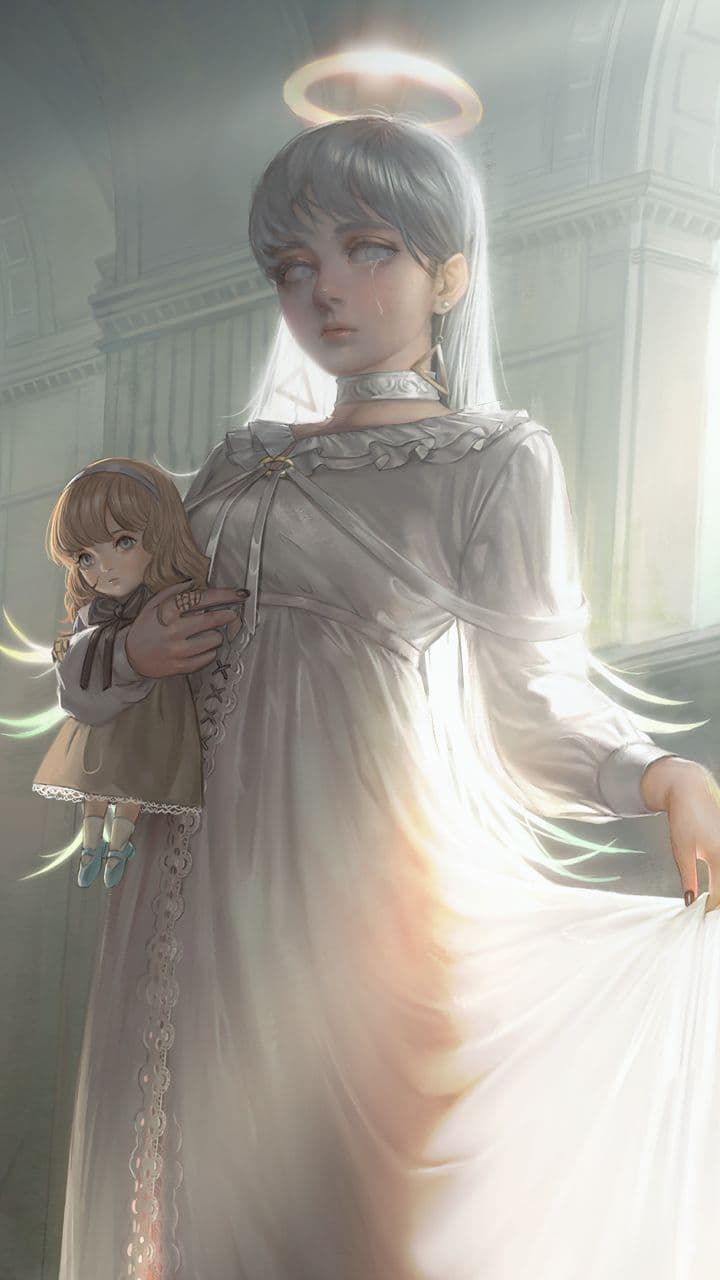
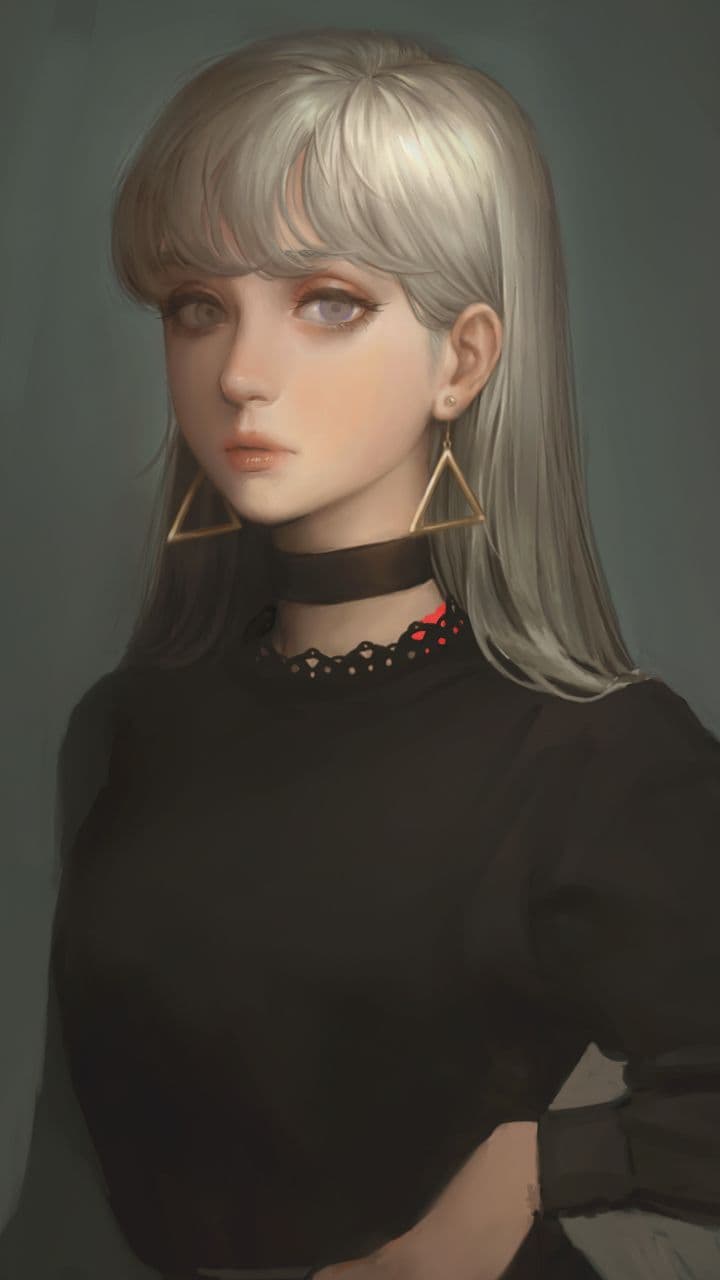
Portfolio

Course Details
| Start date & time | 2026/08/22 19:00 JST |
| Archive | Available |
| Venue | Discord |
About Watching the Archive
The archive can be watched on POSEMANIACS. It may take some time after the seminar before the archive is published.